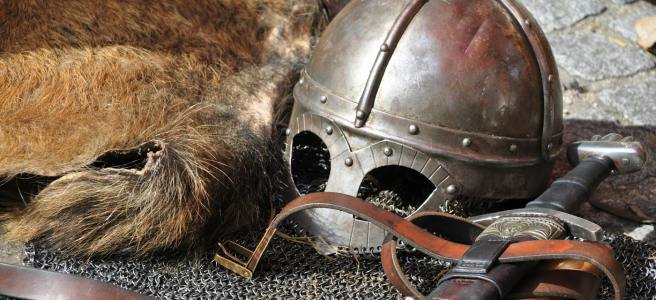
I have been thinking about how Western and Eastern fantasy differ in their common tropes. Here, by Western fantasy, I refer to fantasy stories based on medieval Europe, inspired by Arthurian legends, Beowulf etc. and modern stories like Lord of the Rings and A Song of Ice and Fire and games like Dungeons and Dragons.
“Eastern Fantasy” can refer to many cultures, but for the present purpose, I am limiting to Chinese fantasy, influenced by Journey to the West, and today being popular in the Wuxia/Xianxia series like Legend of Condor Heroes or The Untamed as well as Chinese-influenced Western media like Kung Fu Panda or Avatar: The Last Airbender.
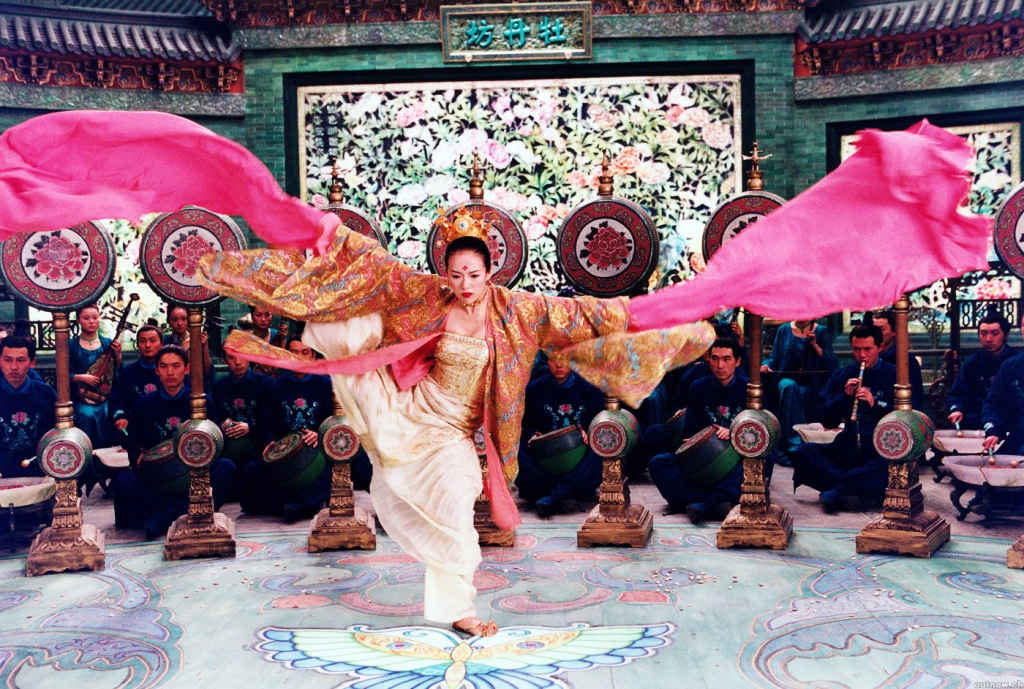
The first distinct difference I notice is that in the ‘Sword and Sorcery’ genre, Western Fantasy separates the “Sword” and the “Sorcery” into two separate “Character classes”. Some characters are sword-wielding, while others are wand-waving – the Knight and the Mage. In Eastern Fantasy, both physical combat and magic are related to extensions of Qi (Chi) cultivation. So someone starts out learning Kung Fu with basic physical moves, but as they reach higher levels, their powers become more and more magical.
Another important difference is the reason behind why someone becomes a mage. In Western Fantasy, the farm-boy is a dragon-rider because he happens to be a long-lost royal prince of special bloodline. Magic is (generally) inherited. In Eastern Fantasy, magical lineage continues along the axis of Teacher-Student. A student goes to some cultivation school in the mountains, and meditates for six years in a cave and comes out figuring some special magical technique.
Regarding bloodline, Western Fantasy always has monogamy within royalty and nobility and hence, succession claims and illegitimacy are often influenced by this, while in Eastern Fantasy, polygamy and multiple wives and concubines are common and their children are considered legitimate. Chinese fantasy often has “unusual” heroes, like a woman, an older person, a disabled person or a thief, beggar or a drunk. There is a trope of someone seeming to be harmless, but suddenly revealed to be a great master. And of course, lastly, there is a difference in how dragons and other large beasts are treated. The Chinese Dragon or “Long” is a different creature – not beastly, but rather sapient and wise, though equally dangerous, and other large magical beasts like giant snakes, turtles or phoenixes get similar treatment.
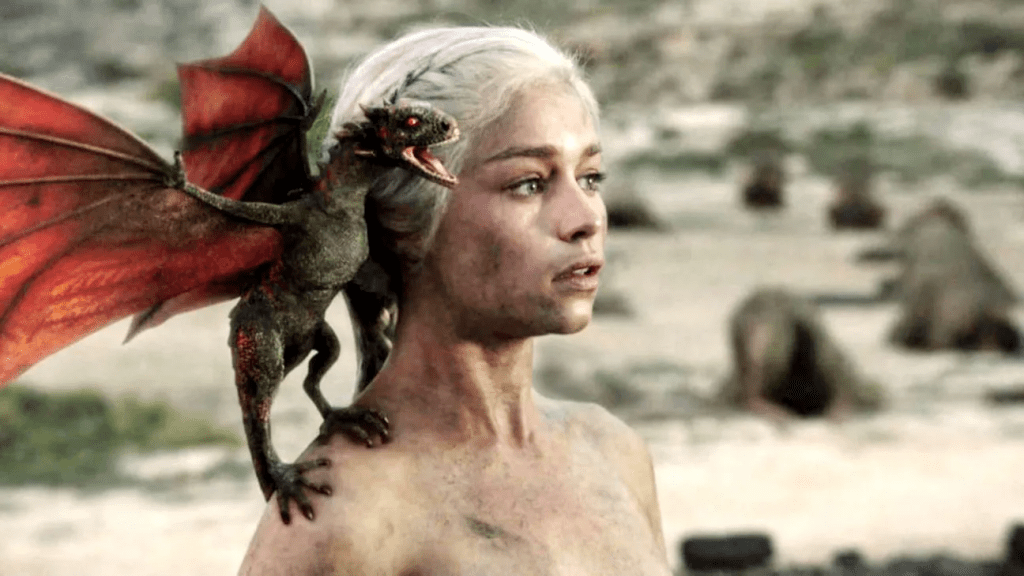
Today, the fantasy genre is expanding to other cultures as well, like Indian (The Jasmine Throne), Middle-Eastern (The City of Brass), African (Children of Blood and Bone), Indigenous-American (Gods of Jade and Shadow) and Eastern European (The Witcher Series). Newer fantasy tropes are often inspired, not only by mythology and legends of each culture, but also different storytelling styles and the hopes and fears of each community. Moving forward, it would be interesting to see cross-pollination of different fantasy tropes in upcoming works.

 Abhirup Dutta Author Website